


chiropractor for neck pain in Dayton, OH
Understanding Neck Pain: Common Causes and Chiropractic Care Options
Neck pain can affect far more than comfort. Restricted movement, muscle tension, headaches, and difficulty maintaining a comfortable posture can interfere with work, sleep, exercise, and everyday activities.
For some individuals, symptoms develop gradually as the demands placed on the cervical spine accumulate. For others, an accident or sudden injury triggers pain that persists long after the initial event.
Understanding the underlying factors contributing to neck pain is an important first step toward choosing appropriate care.
At HealthQuest of Centerville, treatment begins with evaluating the patient's individual condition, movement limitations, and clinical needs to help determine an appropriate course of action.
For people exploring chiropractic care in Dayton, OH, an individualized evaluation can help clarify whether this approach may be appropriate for their needs.

Whiplash and Traumatic Neck Injuries
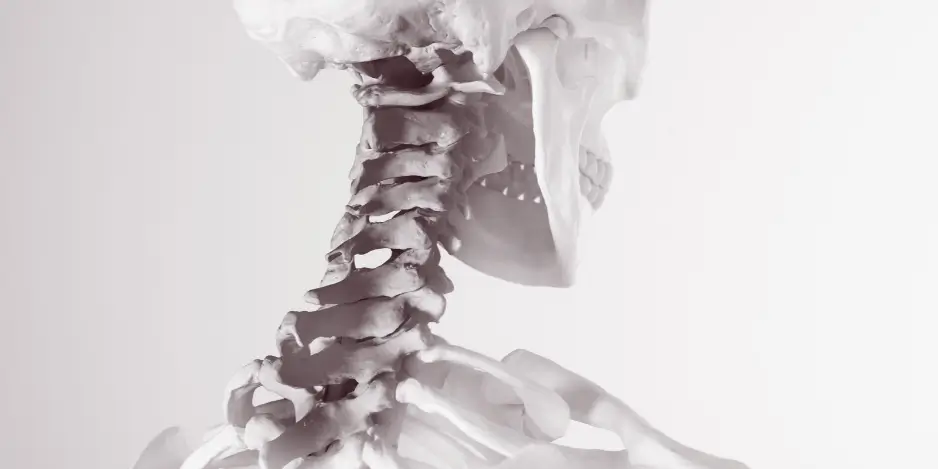
The cervical spine supports the head while allowing a substantial range of movement.
During a motor vehicle collision, rapid acceleration and deceleration can force the head and neck through movements that place excessive stress on muscles, ligaments, joints, and other surrounding tissues.
This type of injury, commonly known as whiplash, can produce symptoms that include neck stiffness, tenderness, reduced mobility, headaches, and discomfort when turning the head. Symptoms may appear immediately or develop over the following hours or days.
From a biomechanical perspective, recovery involves more than simply reducing discomfort. An injury can affect how the neck muscles coordinate movement, how the cervical joints tolerate loading, and how comfortably a person performs routine activities.
A thorough clinical evaluation can help identify movement restrictions and determine whether additional medical assessment is necessary.
Depending on the findings, conservative care may include appropriate manual therapy, guided movement, and exercises designed to restore mobility and improve functional tolerance.
Chiropractic adjustments may be considered when clinically appropriate, but treatment should be individualized to the nature and severity of the injury.
Anyone experiencing significant neck pain after a collision should seek prompt medical evaluation, particularly if symptoms are severe or accompanied by neurological changes.

Cervical Osteoarthritis and Age Related Joint Changes
The joints of the cervical spine undergo repeated loading throughout life.
Turning the head, maintaining a working posture, lifting objects, and performing everyday activities all require coordinated movement between the vertebrae and surrounding tissues.
Over time, some people develop cervical osteoarthritis, a degenerative joint condition involving changes to the cartilage and other structures within and around the joints.
These changes may contribute to stiffness, reduced flexibility, and discomfort, particularly during certain movements.
However, structural changes do not always produce symptoms. Some individuals have visible degenerative changes on imaging without experiencing significant pain, while others develop substantial functional limitations.
Effective management therefore requires attention to both clinical findings and the patient's actual symptoms.
Depending on the individual's condition, care may focus on maintaining comfortable movement, improving muscular support, and adapting activities that aggravate symptoms.
Chiropractic care may serve as one component of a broader conservative management plan for selected patients.
Gentle manual techniques, mobility exercises, and practical movement guidance may help address certain functional limitations. Treatment cannot reverse established cartilage loss or guarantee that osteoarthritis will stop progressing.
At HealthQuest of Centerville, an individualized approach helps determine whether chiropractic treatment is appropriate and when coordination with another healthcare professional is advisable.
Cervical Nerve Compression and Radiating Pain
Neck pain accompanied by symptoms extending into the shoulder, arm, or hand may indicate irritation or compression of a cervical nerve root.
This condition, often called cervical radiculopathy, can develop when surrounding structures narrow the space available for a nerve.
Possible contributing factors include a herniated cervical disc, degenerative joint changes, or narrowing of the spinal canal or nerve openings. Previous injuries may also contribute to the problem.
Unlike pain limited to the neck muscles, nerve-related symptoms may include tingling, numbness, burning sensations, or weakness.
Certain head positions can aggravate these symptoms because they change the mechanical demands placed on the cervical spine and surrounding tissues.
A careful examination is essential because several conditions can produce similar symptoms. The evaluation may include an assessment of strength, sensation, reflexes, and neck movement. Imaging or referral for further medical assessment may be appropriate when the findings indicate a need.
Depending on the diagnosis and severity, conservative treatment may involve activity modification, selected therapeutic exercises, and appropriate manual therapy.
Chiropractic adjustments are not suitable for every case of cervical nerve compression, so the treatment approach should reflect the individual's examination findings and medical history.
Progressive arm or hand weakness, difficulty walking, problems with coordination, or other new neurological symptoms warrant prompt medical assessment.
Postural Strain and Repetitive Daily Activities
Not every episode of neck pain begins with an identifiable injury or degenerative condition.
Prolonged computer work, frequent phone use, repetitive tasks, and extended periods in one position can contribute to muscular fatigue and discomfort.
The head places a continuous demand on the muscles that support the cervical spine.
When a person remains in a sustained position for long periods, some muscles may become fatigued while normal movement variability decreases. Workstation setup, stress, sleep quality, and overall physical activity can also influence symptom patterns.

Importantly, there is no single perfect posture that everyone must maintain throughout the day. Remaining in one position for too long may be more problematic than adopting a particular posture briefly.
A practical approach includes varying positions, taking movement breaks, adjusting screen height, and building tolerance for activities through regular exercise. Strengthening and mobility work may also help improve the ability to manage everyday physical demands.
Chiropractic care may complement these strategies when an examination identifies musculoskeletal problems that could benefit from conservative treatment.
Addressing contributing movement habits alongside appropriate clinical care can help patients develop a more sustainable approach to neck health.
Choosing Appropriate Neck Pain Treatment
Neck pain does not have one universal cause, and successful management depends on identifying the factors most relevant to each individual.
An injury related problem requires a different assessment from persistent muscular discomfort or symptoms associated with cervical nerve compression.
A responsible treatment plan should consider symptom duration, injury history, neurological findings, activity limitations, and the possibility of an underlying medical condition.
Some patients may benefit from conservative care, while others require diagnostic testing, specialist evaluation, medication, or surgical consultation.
Depending on the findings of an individual evaluation, nonsurgical spinal decompression may be considered as one possible treatment option for selected spinal conditions.
For people exploring chiropractic care in Dayton, OH, an evaluation can help determine whether this approach is appropriate for their symptoms and clinical needs.
Spinal decompression is not suitable for every cause of neck pain, and its potential benefits and limitations should be discussed before treatment.
Chiropractic care may be an option for certain musculoskeletal causes of neck pain, particularly when treatment is selected according to the patient's clinical needs. No approach can guarantee complete relief, and chiropractic treatment should not replace necessary medical care.
For people seeking a chiropractor for neck pain in Dayton, OH, an individualized evaluation can help clarify available treatment options and establish realistic goals for mobility, comfort, and daily function.
Take the Next Step Toward Better Neck Health
Persistent neck discomfort can make ordinary activities feel unnecessarily difficult. Understanding the possible cause of your symptoms can help you make informed decisions about treatment and recovery.
At HealthQuest of Centerville, our goal is to evaluate your concerns carefully and determine whether chiropractic care may be appropriate for your situation.
We can discuss your movement limitations, explain potential conservative treatment options, and help you understand when additional medical evaluation may be necessary.
If you are looking for neck pain treatment in Dayton, OH, contact HealthQuest of Centerville to learn more about your options.

Neighborhoods We Proudly Serve near Dayton, OH
Nearby Neighborhoods HealthQuest of Centerville of Dayton, OH Serves for over 25+ Years!






Healthy Things To Do in Dayton, OH
Stay Active, Stay Healthy!









HealthQuest of Centerville Experts in Chiropractic and Holistic Care in Dayton OH

Office Hours
Monday: 7 am - 6:15 pm
Tuesday: 8 am - 4 pm
Wednesday: 7 am - 6:15 pm
Thursday: 8 am - 6:15 pm
Friday: 7 am - 11:30 am
Sat-Sun (Closed)
8057 Washington Village Dr Dayton, Ohio, 45458
© Copyright 2026. HealthQuest of Centerville. All Rights Reserved.
This website does not provide medical advice. The information, including but not limited to, text, graphics, images, and other material contained on this website are for informational and educational purposes only. No materials, opinions, products, and services on this site are intended to be a substitute for professional medical advice, diagnosis, or treatment. Always seek the advice of your physician or other qualified professional health care provider with any questions you may have regarding a medical condition or treatment and before undertaking a new health care regimen, and never disregard professional medical advice or delay in seeking it because of something you have read on this website.
If you have or suspect you may have a health problem or need immediate medical attention, you should consult with a healthcare provider.
We are not responsible for how the content on this website is interpreted or what reliance is placed on it. We do not accept any liability and responsibility for the results of any action taken on the basis of the information provided on this website.